Song Poet
By 1971, Haight-Ashbury survivor Tucker Zimmerman was six years into a self-imposed exile from the United States. His ten-song, Tony Visconti-produced debut album on Regal Zonophone had missed wide right, his UK visa had expired, and an unpublished 120-page journal of “Gypsy-Communal-Hallucinogenic-Pre-Millennial Apocalyptic Earthquake” sat sealed in his skull. “Turmoil and confusion. Visions and nightmares. Long hair and beads. Dazed, drug-bombed wanderings and anti-war marches. Pot and acid. Joy and ecstasy. Drop outs and burn outs. We were dancing in the streets. We were leaping out of windows thinking we could fly,” Zimmerman said of his first book. “Even today I cannot decipher that writing.”
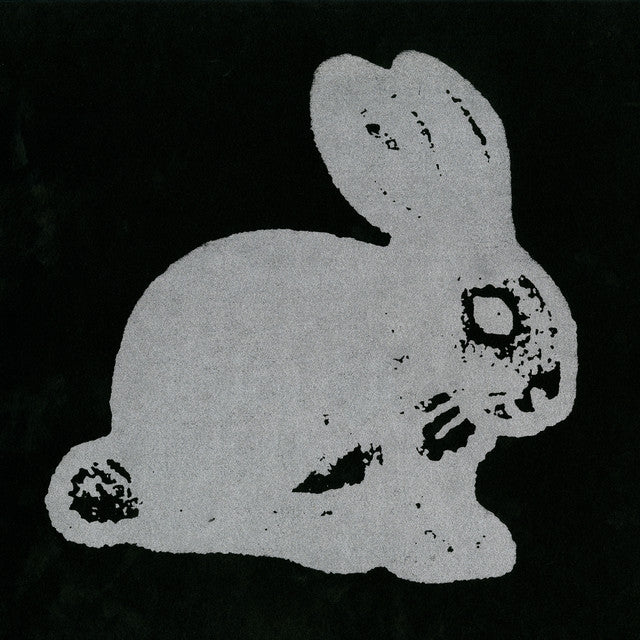
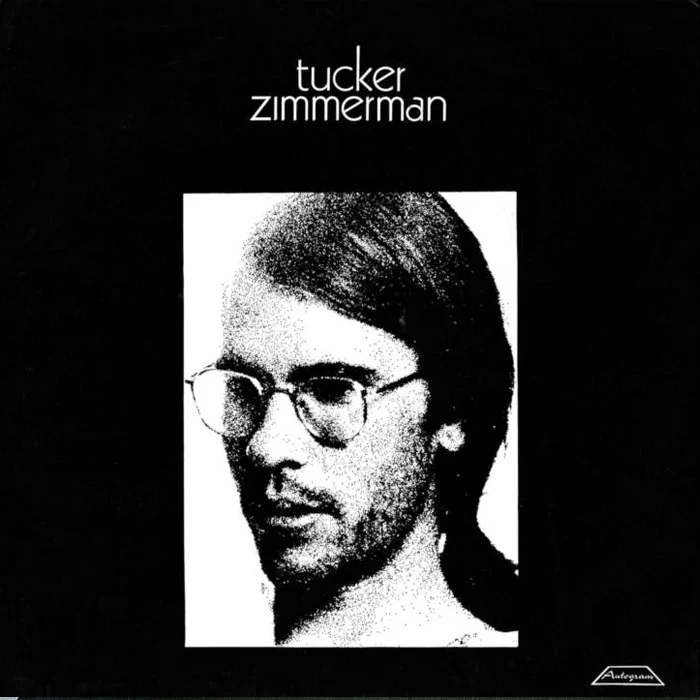
It was from this fragile place that Zimmerman’s so-called “Black Album” was born. After taking refuge in Belgium, a series of gigs on the continent unfolded, and ten new songs emerged. Using a defective 2-track Telefunken, Zimmerman tracked the album in his Leige apartment. “We had pillows and blankets stacked over the windows to keep out traffic noises,” he recalled. “The album had no title. Just a black cover and my name.” Issued on Germany’s Autogram, the record sold a few thousand copies before quietly fading out of print.
“My songs were and have always been extremely personal and without any kind of obvious tradition,” Zimmerman reflected. “The most I could ever hope for in the world of folk music is to write a tune that someday singers, perhaps a hundred years from now, will still be singing, my name long forgotten.”
Original: $40.00
-65%$40.00
$14.00Product Information
Product Information
Shipping & Returns
Shipping & Returns
Description
By 1971, Haight-Ashbury survivor Tucker Zimmerman was six years into a self-imposed exile from the United States. His ten-song, Tony Visconti-produced debut album on Regal Zonophone had missed wide right, his UK visa had expired, and an unpublished 120-page journal of “Gypsy-Communal-Hallucinogenic-Pre-Millennial Apocalyptic Earthquake” sat sealed in his skull. “Turmoil and confusion. Visions and nightmares. Long hair and beads. Dazed, drug-bombed wanderings and anti-war marches. Pot and acid. Joy and ecstasy. Drop outs and burn outs. We were dancing in the streets. We were leaping out of windows thinking we could fly,” Zimmerman said of his first book. “Even today I cannot decipher that writing.”
It was from this fragile place that Zimmerman’s so-called “Black Album” was born. After taking refuge in Belgium, a series of gigs on the continent unfolded, and ten new songs emerged. Using a defective 2-track Telefunken, Zimmerman tracked the album in his Leige apartment. “We had pillows and blankets stacked over the windows to keep out traffic noises,” he recalled. “The album had no title. Just a black cover and my name.” Issued on Germany’s Autogram, the record sold a few thousand copies before quietly fading out of print.
“My songs were and have always been extremely personal and without any kind of obvious tradition,” Zimmerman reflected. “The most I could ever hope for in the world of folk music is to write a tune that someday singers, perhaps a hundred years from now, will still be singing, my name long forgotten.”