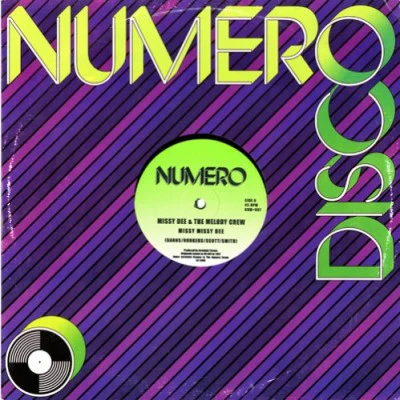
Missy Missy Dee b/w Instrumental
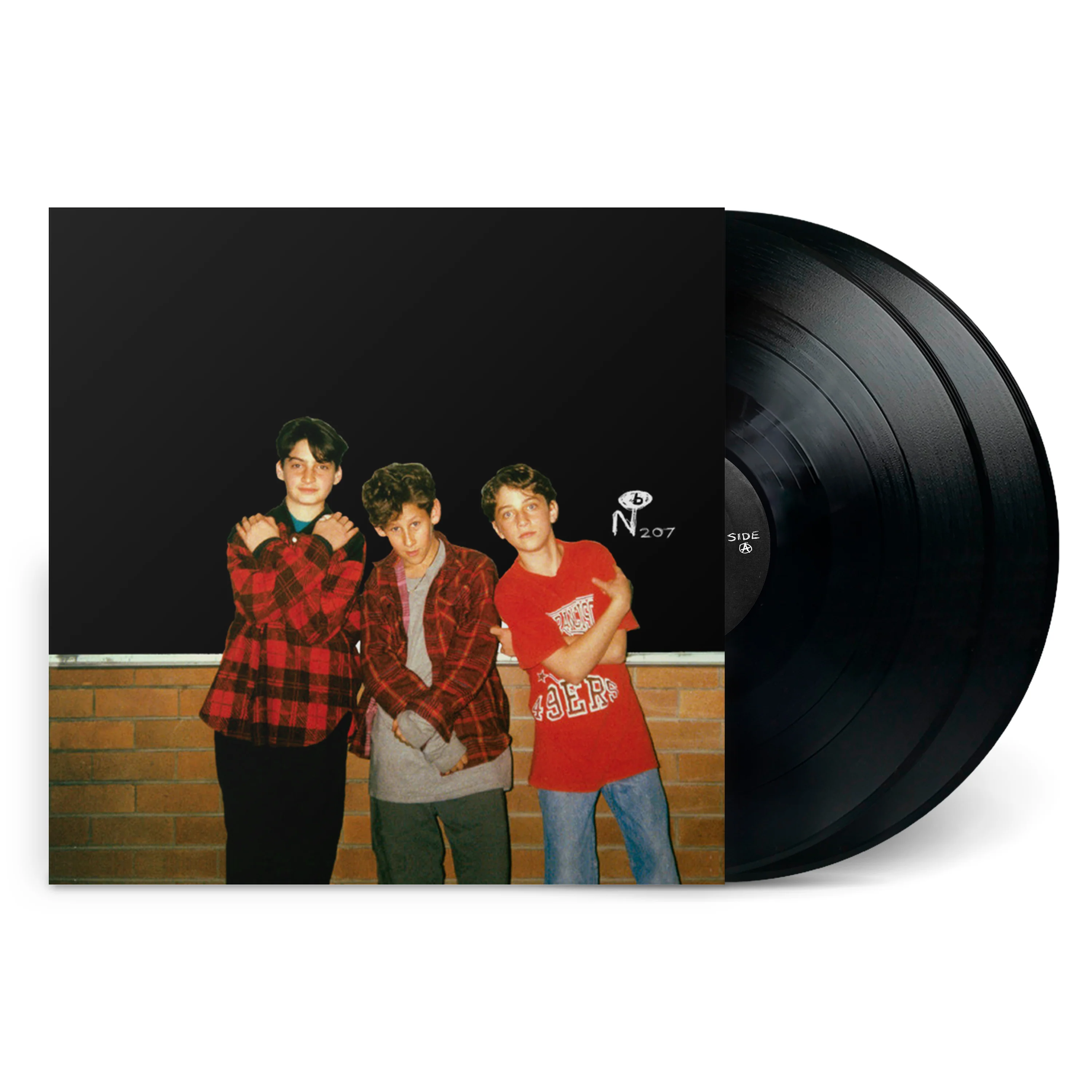
By 1980, rap was the most cutting edge musical medium in New York City, just shy of its inevitable spread from the street to the studio. The groundswell of excitement surrounding this new sound was impossible to ignore, and Jeremiah Yisrael, businessman that he was, knew it was crucial to join this burgeoning culture, whether he understood it or not. Using his Harlem health food store as a recruiting station, he stumbled onto Denette Scott, AKA Missy D. Missy came with a built in pedigree, having already rocked numerous local block parties, she was also the recipient of props from hip-hop progenitor DJ Masterdawn. Jeremiah encouraged her to find a few friends to back her up. Arlene “Apple C” Rogers and Kim “Easy K” Scott, Denette’s sister, added a little flavor to the mix, but both were inexperienced. Tanya “Lady T” Barns, however, was a member of Kurtis Blow’s crew and one of Harlem’s great female MCs. Together they would be known as Missy Dee & the Melody Crew.
Yisrael booked time at Clair Krepps' Mayfair Studios for January 14th 1981 . The backing band was a stripped down to just bass, keys, and drums. Someone brought a whistle and made good use of it. Handclaps were in abundance. Jeremiah, leaving nothing to chance, had lyrics and music printed up to insure that the rhymes were tight, even if two Melody Crew voices came off a bit “junior circuit.”
Sensing he had something special, Jeremiah brought the Missy Dee tape to Sylvia Robinson at Sugar Hill. Despite initial interest, no contract materialized—at least none that satisfied Jeremiah. Hip-hop was a massive new movement and DJs across the five boroughs were craving any new 12” in the style, but “Missy Missy Dee” was effectively suppressed. Not issued until 1983 and never distributed in any form, the wax’s extraordinary scarcity today makes it unlikely that anything was done to promote the tunes at all. The Melody Crew girls did a few shows at block parties and high schools before receding back into the Harlem streets they’d come from.
Original: $2.00
-65%$2.00
$0.70Product Information
Product Information
Shipping & Returns
Shipping & Returns
Description
By 1980, rap was the most cutting edge musical medium in New York City, just shy of its inevitable spread from the street to the studio. The groundswell of excitement surrounding this new sound was impossible to ignore, and Jeremiah Yisrael, businessman that he was, knew it was crucial to join this burgeoning culture, whether he understood it or not. Using his Harlem health food store as a recruiting station, he stumbled onto Denette Scott, AKA Missy D. Missy came with a built in pedigree, having already rocked numerous local block parties, she was also the recipient of props from hip-hop progenitor DJ Masterdawn. Jeremiah encouraged her to find a few friends to back her up. Arlene “Apple C” Rogers and Kim “Easy K” Scott, Denette’s sister, added a little flavor to the mix, but both were inexperienced. Tanya “Lady T” Barns, however, was a member of Kurtis Blow’s crew and one of Harlem’s great female MCs. Together they would be known as Missy Dee & the Melody Crew.
Yisrael booked time at Clair Krepps' Mayfair Studios for January 14th 1981 . The backing band was a stripped down to just bass, keys, and drums. Someone brought a whistle and made good use of it. Handclaps were in abundance. Jeremiah, leaving nothing to chance, had lyrics and music printed up to insure that the rhymes were tight, even if two Melody Crew voices came off a bit “junior circuit.”
Sensing he had something special, Jeremiah brought the Missy Dee tape to Sylvia Robinson at Sugar Hill. Despite initial interest, no contract materialized—at least none that satisfied Jeremiah. Hip-hop was a massive new movement and DJs across the five boroughs were craving any new 12” in the style, but “Missy Missy Dee” was effectively suppressed. Not issued until 1983 and never distributed in any form, the wax’s extraordinary scarcity today makes it unlikely that anything was done to promote the tunes at all. The Melody Crew girls did a few shows at block parties and high schools before receding back into the Harlem streets they’d come from.