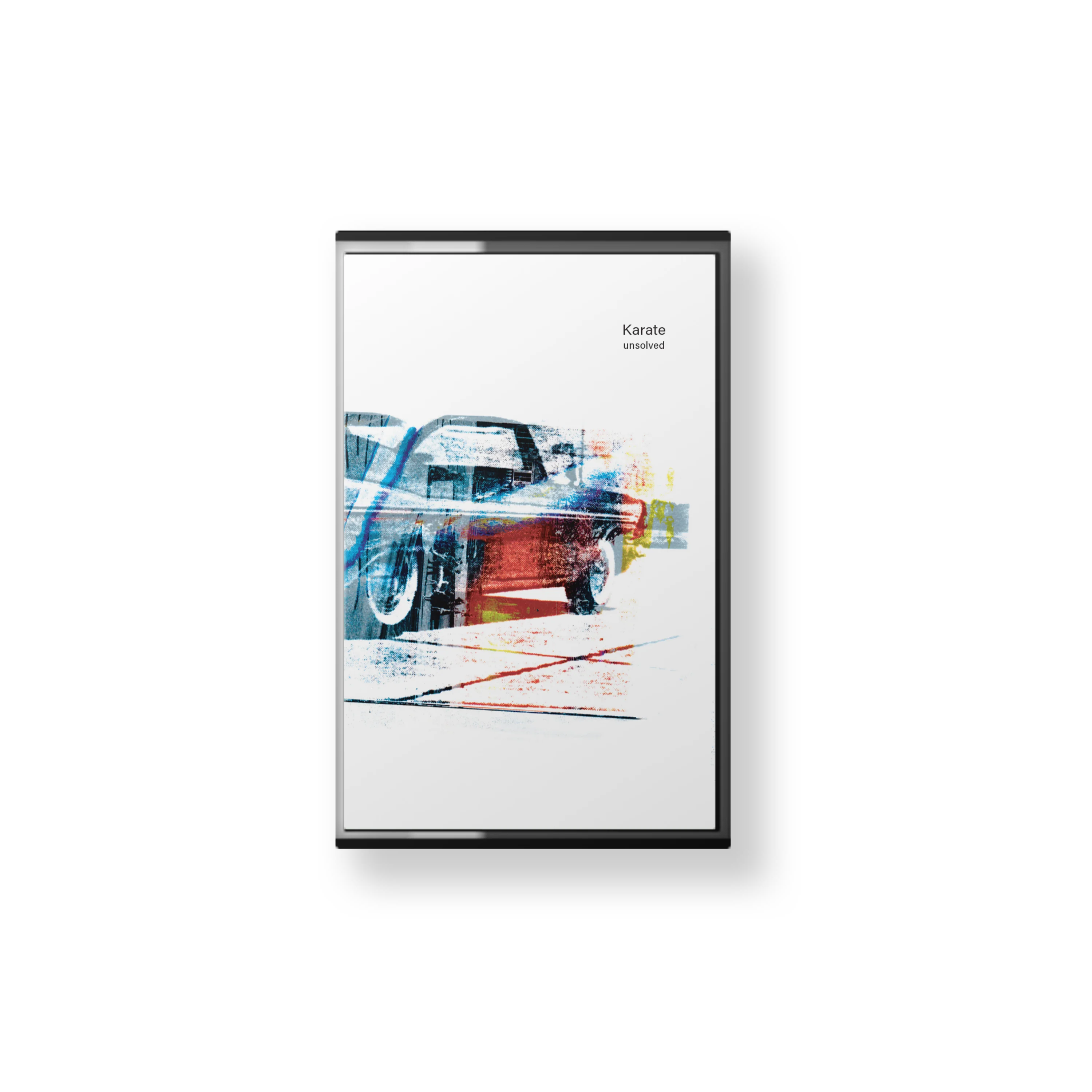
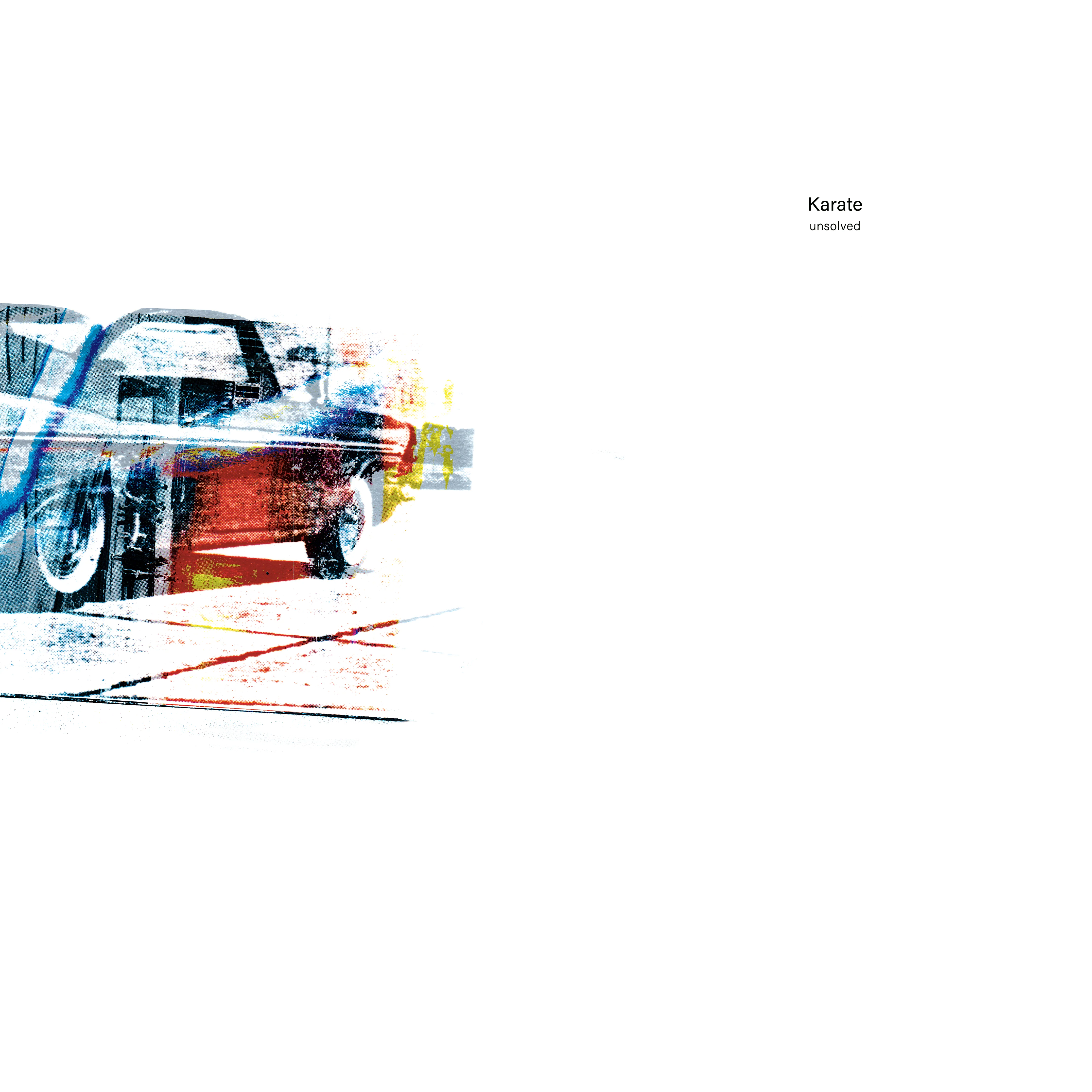
Unsolved
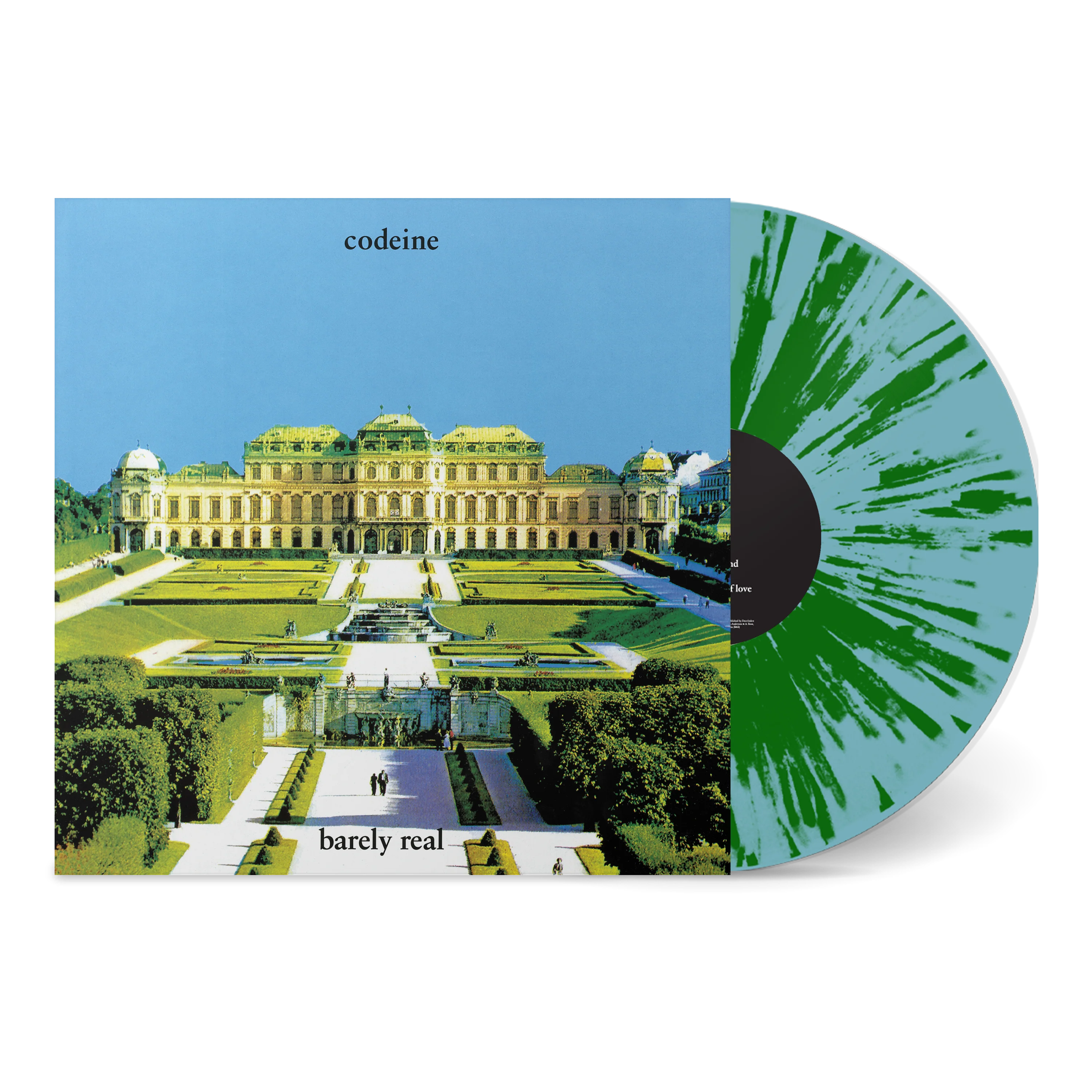
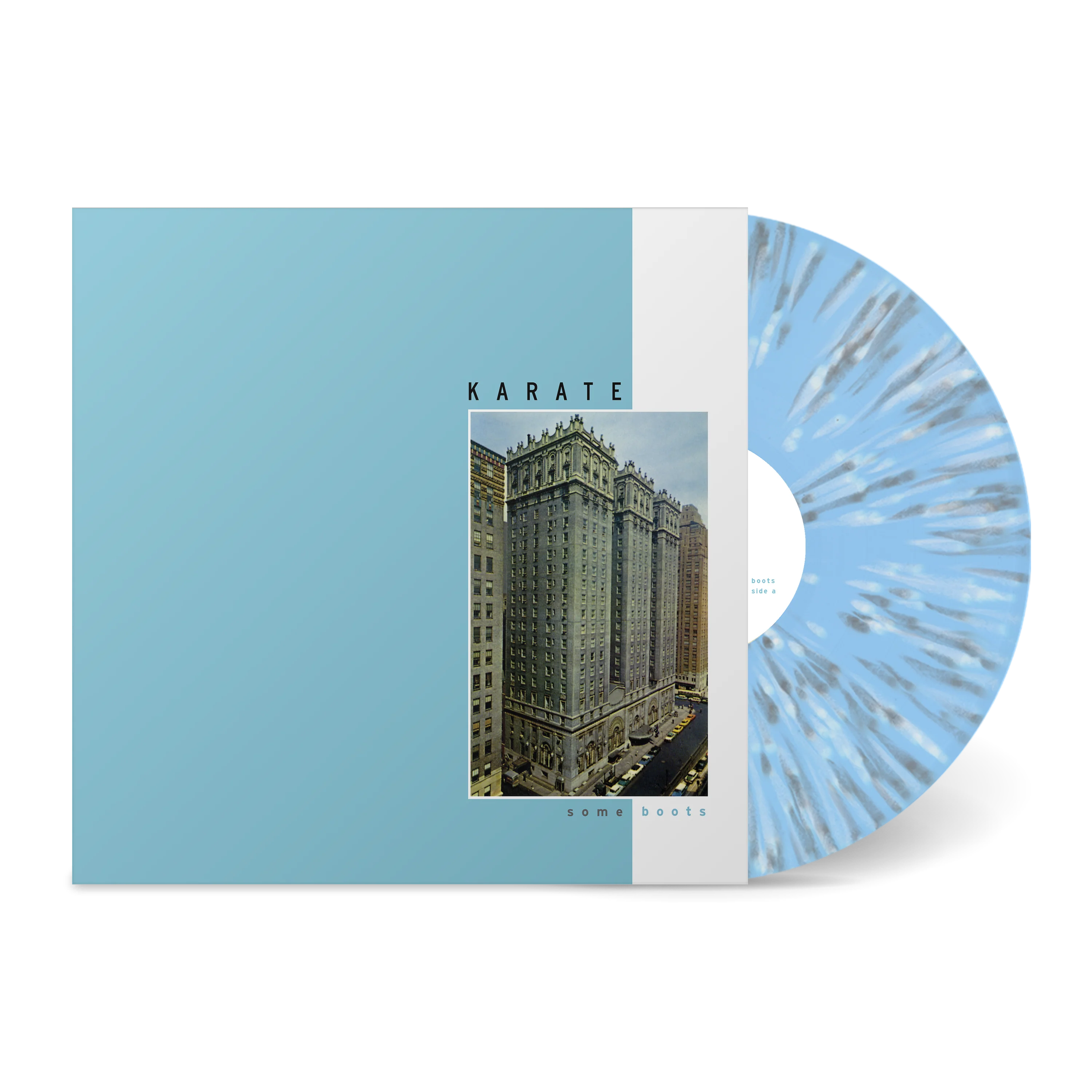
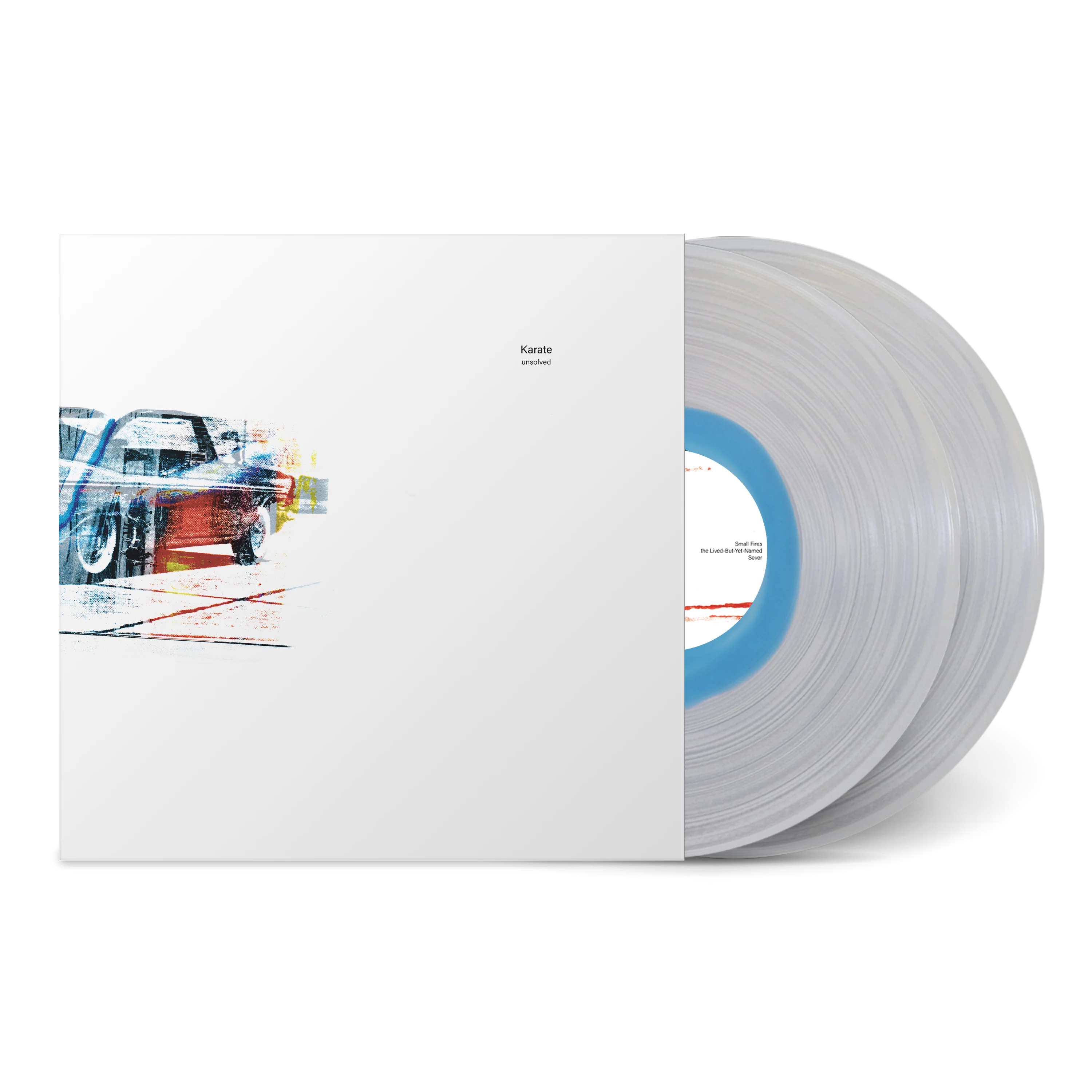
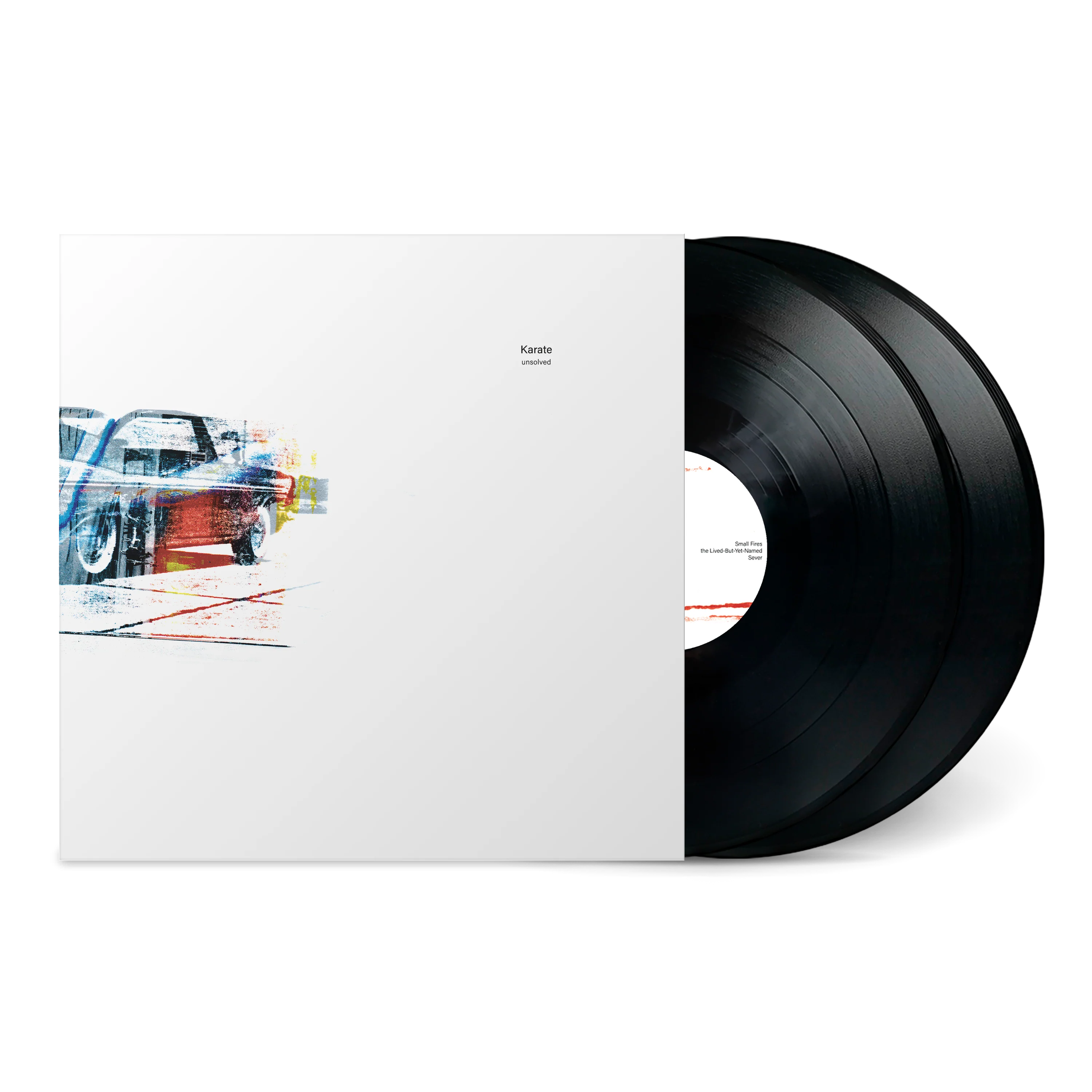
Whatever sense of unity bound a hodgepodge of underground American punk sounds in the 1990s like a Duct-tape wallet began to come unglued by the end of the decade. A couple years into the new millennium and the emo scene that once had enough space for a band as brazen in their fusion of slowcore, jazz, and post-hardcore as Boston’s Karate would barely be reflected in a cookie-cutter style commercialized by major labels and mid-level indies that acted like the majors. The part of punk that overlapped with indie rock would begin a slow ascent from its comfortable home on college radio charts to the soundtrack of American Apparel shops and eventually the Billboard charts. In this strange, stratifying milieu, Karate, a band that seemed to thrive by cleaving to a nether-zone between several sounds that otherwise never touched, delivered an engrossing constantly shifting shot of rock that covered three sides of 12-inch vinyl: Unsolved arrived in 2000.
Karate spent much of the ’ 90s wrestling punk aggression and volume into svelte shapes and often condensed what felt like a generation of scuffed-up intensity into whispers. The quiet moments carried much of that unbridled intensity throughout Unsolved —the fuzzy guitar squawk and snatchet of machine-gun drumming on “Sever” aside, things hit a little more sharply the moment the trio pivoted into their subdued jazz melodic interplay on that song. Karate’s transition into indie-rock maturity had become so complete by the time they dropped Unsolved that you could play the coffeehouse soul of “Halo of the Strange” and sultry jazz of “Lived-But-Yet-Named” to an unsuspecting punk and spend an entire evening trying to convince them that, yes, this band had made their bones playing the same DIY circuit made of bands that sounded like they wanted to harm their audience. But few bands other than Karate played like they understood the musical lingua franca of scene godheads such as Fugazi and Unwound, and knew how to make that language evolve, and nearly every song on Unsolved made that clear. If you didn’t get the memo by the end of the elegiac 11-minute closer “This Day Next Year,” which gained an irrepressible power from a plaintive guitar melody cycling through the song’s back half like a yearnsome cry for the divine, you might’ve been better off buying a ticket for Warped Tour and waiting a decade or two to figure it out.
Product Information
Product Information
Shipping & Returns
Shipping & Returns
Description
Whatever sense of unity bound a hodgepodge of underground American punk sounds in the 1990s like a Duct-tape wallet began to come unglued by the end of the decade. A couple years into the new millennium and the emo scene that once had enough space for a band as brazen in their fusion of slowcore, jazz, and post-hardcore as Boston’s Karate would barely be reflected in a cookie-cutter style commercialized by major labels and mid-level indies that acted like the majors. The part of punk that overlapped with indie rock would begin a slow ascent from its comfortable home on college radio charts to the soundtrack of American Apparel shops and eventually the Billboard charts. In this strange, stratifying milieu, Karate, a band that seemed to thrive by cleaving to a nether-zone between several sounds that otherwise never touched, delivered an engrossing constantly shifting shot of rock that covered three sides of 12-inch vinyl: Unsolved arrived in 2000.
Karate spent much of the ’ 90s wrestling punk aggression and volume into svelte shapes and often condensed what felt like a generation of scuffed-up intensity into whispers. The quiet moments carried much of that unbridled intensity throughout Unsolved —the fuzzy guitar squawk and snatchet of machine-gun drumming on “Sever” aside, things hit a little more sharply the moment the trio pivoted into their subdued jazz melodic interplay on that song. Karate’s transition into indie-rock maturity had become so complete by the time they dropped Unsolved that you could play the coffeehouse soul of “Halo of the Strange” and sultry jazz of “Lived-But-Yet-Named” to an unsuspecting punk and spend an entire evening trying to convince them that, yes, this band had made their bones playing the same DIY circuit made of bands that sounded like they wanted to harm their audience. But few bands other than Karate played like they understood the musical lingua franca of scene godheads such as Fugazi and Unwound, and knew how to make that language evolve, and nearly every song on Unsolved made that clear. If you didn’t get the memo by the end of the elegiac 11-minute closer “This Day Next Year,” which gained an irrepressible power from a plaintive guitar melody cycling through the song’s back half like a yearnsome cry for the divine, you might’ve been better off buying a ticket for Warped Tour and waiting a decade or two to figure it out.